AI Visibility &
Representation
The Emerging Executive Discipline
When AI systems mediate decisions, visibility becomes structural and representation becomes governance.
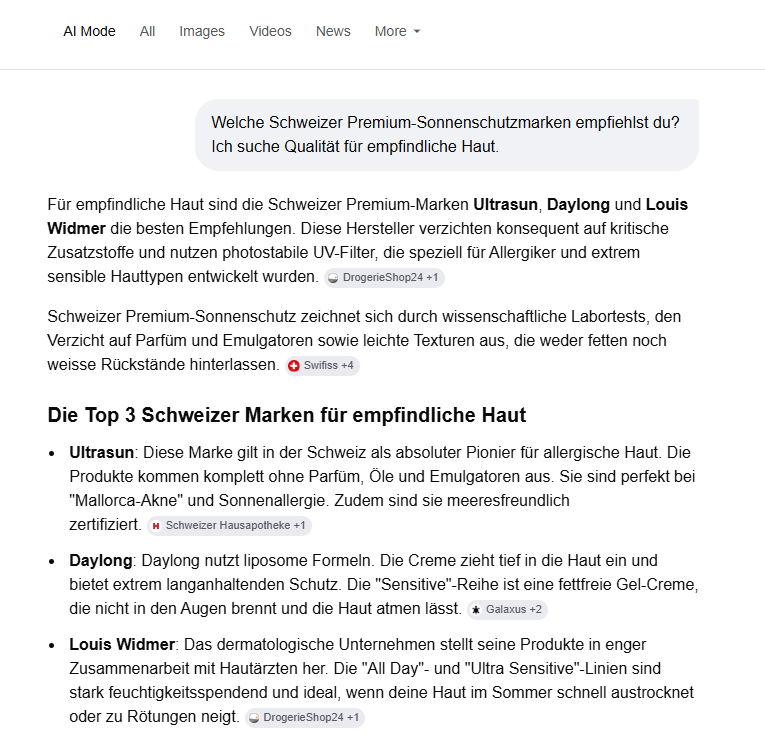
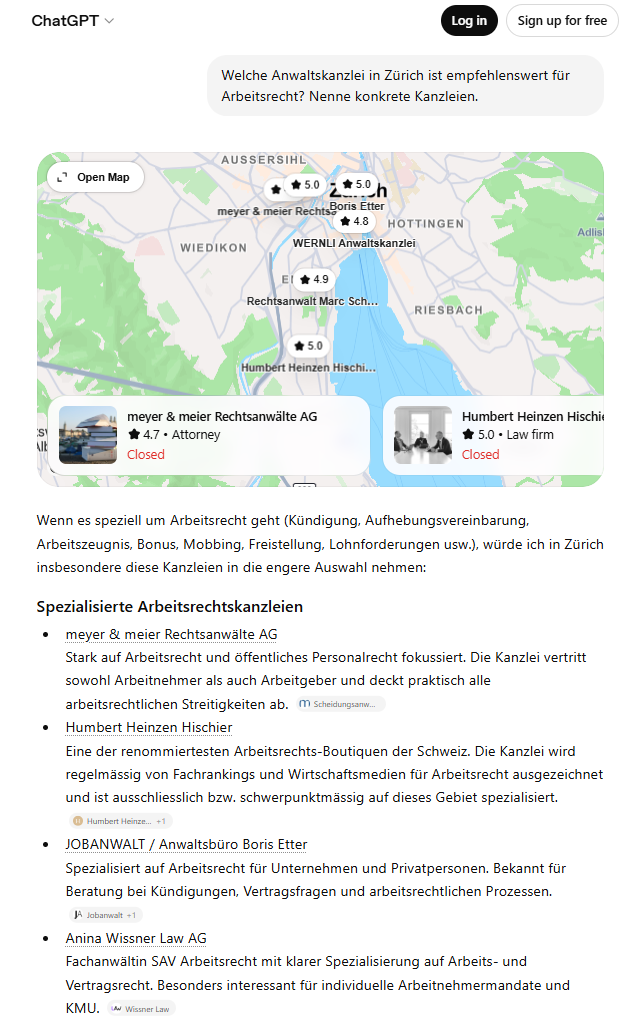
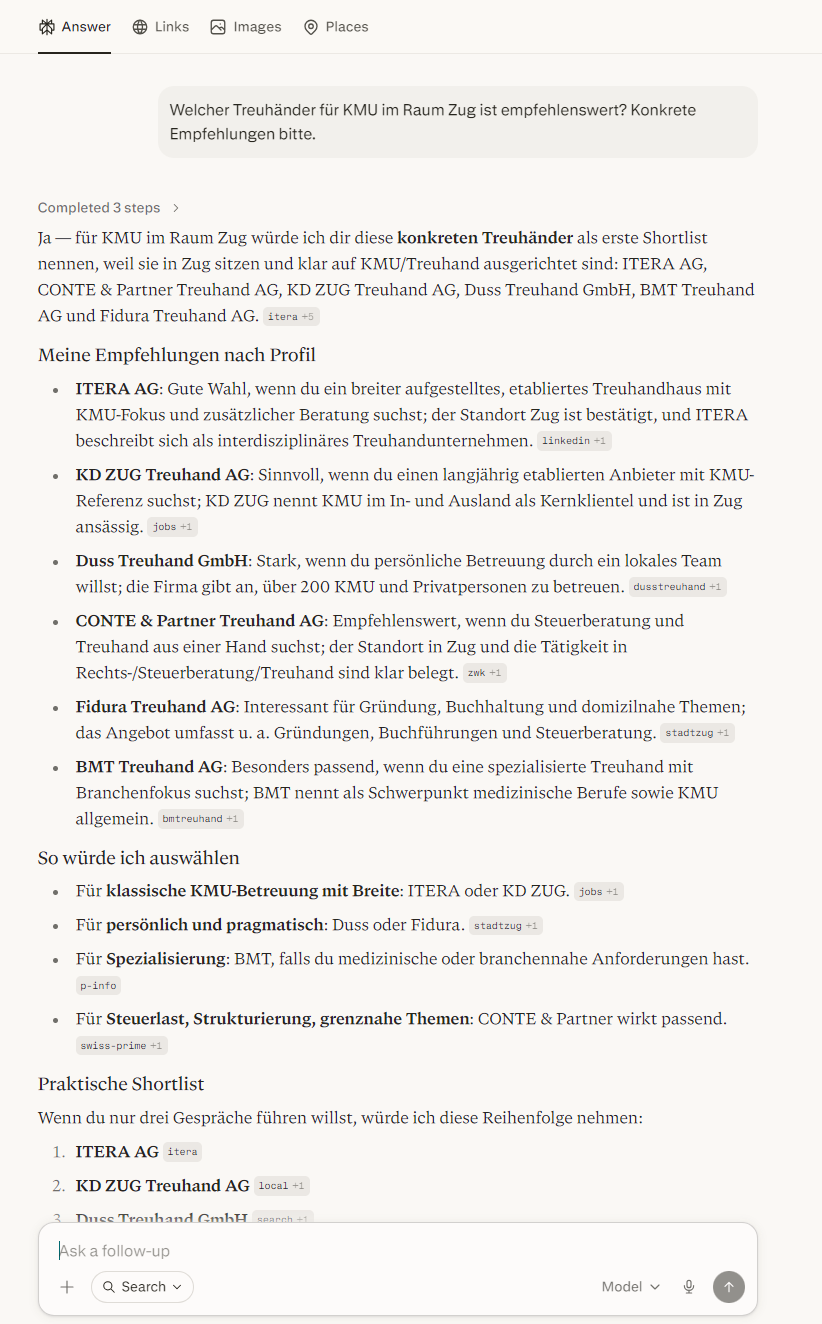
AI systems increasingly summarize, compare, and recommend organizations before human decision-makers engage directly. This advisory exists to help leadership govern how their organization is seen and interpreted inside AI-mediated decision systems.
The Structural Shift
From Search Engines
- →Listed options
- →Ranked results
- →Human evaluation
- →Click-through required
To Answer Engines
- →Synthesized explanations
- →Direct recommendations
- →AI interpretation
- →Zero-click decisions
Visibility was placement. Now it is structural inclusion.
The Two-Step Risk Model
Visibility → Threshold
Organizations either exist within AI decision frameworks or they do not. This is binary, not graduated.
Invisibility = Structural exclusion. Organizations below the visibility threshold face systematic exclusion from AI-mediated vendor evaluations, competitive analyses, and market summaries—regardless of actual capabilities.
Representation → Risk
Once visible, organizations face the compounding challenge of accurate representation.
Misrepresentation = Distorted decisions. AI systems compress complex organizational narratives into simplified summaries. Inaccurate characterizations compound over time as AI systems reference previous AI-generated content.
What This Is Not
SEO optimization
Content marketing
ChatGPT ranking tactics
AI growth hacking
This is not about gaming AI systems or chasing algorithmic trends.
This is institutional positioning and governance.
What This Is
Executive-Level Assessment
Systematic audit of how AI systems currently represent your organization across decision-relevant contexts.
AI-Mediated Discovery Analysis
Understanding which AI platforms influence your stakeholders and how those systems characterize your competitive positioning.
Representation Audit
Identification of representation gaps, inaccuracies, and competitive positioning distortions across AI synthesis.
Governance Framework
Board-level accountability structures for ongoing AI visibility and representation management.
Who This Is For
Not everyone. This is for:
Decision-Makers
- •CEOs and Founders
- •Board Members
- •Strategy Leaders
- •Governance-Aware Organizations
Organizations Exposed To
- •Competitive AI-mediated comparison
- •High-margin services vulnerable to positioning
- •Authority-driven business models
- •Complex value propositions requiring accurate synthesis
What Leadership Gains
The assessment delivers three categories of decision clarity that did not previously exist inside the organization.
Exposure Mapped to Reality
Leadership moves from assumption to evidence. The organization knows precisely where it stands inside AI-mediated decision systems: which platforms recognize it, how it is currently characterized, and where structural exclusion or misrepresentation already exists.
Decisions about positioning, messaging, and competitive response are no longer made without this information.
Governance Where None Existed
Most organizations have no accountability structure for how AI systems represent them. The roadmap establishes one: clear ownership, defined review criteria, and board-level visibility into an exposure that is already shaping stakeholder decisions.
AI representation moves from unmanaged risk to governed posture.
Structural Advantage, Preserved
As AI systems increasingly compress competitive landscapes into synthesized comparisons and direct recommendations, organizations with governed representation maintain a structural advantage over those reacting after the fact.
Early positioning is disproportionately durable. AI systems reference prior AI-generated content. Correction becomes harder over time, not easier.
The Assessment Approach
Visibility Assessment
Systematic audit of organizational presence across AI systems relevant to your stakeholders. Identification of visibility thresholds and structural exclusion patterns.
Representation Analysis
Evaluation of representation accuracy, competitive positioning distortions, and narrative consistency across AI-mediated contexts.
Executive Roadmap
Board-ready governance framework with accountability structures, measurement systems, and strategic recommendations for ongoing management.
If AI systems increasingly shape first impressions,
who governs how your organization appears inside them?